Paint correction is generally easier to perform in a shaded or controlled environment because direct sunlight can heat vehicle panels and make some polishing products more difficult to work with. Excessive panel heat, product residue, airborne contaminants, and poor visibility can complicate the polishing process and affect the final finish. Before correcting paint, make sure the surface and working conditions are suitable for the products and techniques being used.
Why Does Direct Sunlight Make Paint Correction More Difficult?
Paint correction uses polishing compounds, pads, and machine polishers to reduce the appearance of surface defects, including swirl marks, light scratches, and oxidation. Abrasive correction removes a small amount of the paint’s clear coat to refine the surface, so careful technique and inspection are essential.
Direct sunlight can introduce several challenges that make this work more difficult.
1. Heat Can Affect Polishing Products
When a vehicle sits in direct sunlight, its exterior panels can become significantly hotter than the surrounding air. Depending on the formulation, a hot surface may cause polishing products to dry more quickly or become harder to spread and remove.
Product performance varies, so heat does not affect every compound in exactly the same way. Some products have specific working-temperature requirements, while others may be designed for a wider range of conditions. Always follow the manufacturer’s instructions.
2. Residue Can Become Difficult to Remove
Some polishing products leave residue that must be wiped away during or after a correction cycle. If a product dries prematurely because of heat or unsuitable working conditions, that residue may become more difficult to remove.
Repeated wiping or excessive pressure can introduce additional marks, especially if the surface or microfiber towel contains contaminants. Following product instructions and maintaining suitable working conditions helps reduce these risks.
3. Dust and Pollen Can Contaminate the Surface
Outdoor conditions expose a vehicle to windblown dust, pollen, and other particles. If abrasive contaminants become trapped between a polishing pad and the paint, they can cause additional scratches or marring.
A clean surface is essential before polishing begins. Working in a sheltered, clean area helps reduce contamination, although no environment is entirely free of airborne particles.
4. Sunlight Can Make Paint Defects Harder to Inspect
Bright sunlight and reflections can make certain paint imperfections difficult to identify consistently. Swirl marks, fine scratches, haze, and holograms may appear more or less visible depending on the viewing angle and lighting.
A controlled inspection environment with appropriate lighting makes it easier to evaluate the paint before polishing and check the results afterward.
Can You Perform Paint Correction in the Shade?
Yes, shade can make outdoor paint correction in Tucson more manageable, but it does not automatically create suitable working conditions. A shaded vehicle may still have hot panels after prolonged sun exposure, and wind can continue to introduce dust and other contaminants.
Before starting, allow the vehicle to cool in a suitable environment. Check the panel temperature, assess the cleanliness of the surface, and follow the polishing product manufacturer’s instructions.
A garage or detailing workspace can offer better control over temperature, cleanliness, and lighting. These conditions can help make the correction process more consistent, particularly when addressing multiple defects or working through several polishing stages.
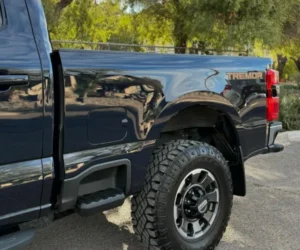
How Can You Tell If a Paint Panel Is Too Hot to Polish?
There is no single temperature that applies to every polishing product and vehicle. Acceptable working conditions depend on the product formulation, paint condition, and environmental factors.
Look for these warning signs before continuing:
- The panel feels unusually hot: Allow it to cool before applying polish. When needed, use a suitable temperature measurement method.
- The product dries too quickly: Stop and check the panel temperature and the product’s application instructions.
- Residue becomes difficult to wipe away: Avoid increasing pressure or repeatedly buffing the same area without identifying the cause.
- The pad or polish behaves inconsistently: Check for product buildup, contamination, and unsuitable working conditions.
- Paint defects are difficult to inspect: Move to a shaded area with appropriate lighting before evaluating the results.
These signs do not automatically mean the paint has been damaged. They indicate that the working conditions or technique may need to be reassessed.
What Should You Do Before Polishing a Hot Vehicle?
If the vehicle has been sitting in direct sunlight, take a few precautions before beginning paint correction in Tucson, AZ.
- Move the vehicle to a suitable location. Choose a shaded or indoor area where the surface can cool and remain reasonably clean.
- Allow the panels to cool naturally. Moving the vehicle into shade does not immediately bring the paint to a suitable temperature.
- Clean and inspect the paint. Remove surface contamination and check for existing scratches, oxidation, and other defects before polishing.
- Check the product instructions. Follow the manufacturer’s recommendations for application, working conditions, pad selection, and residue removal.
- Test a small area first. Test the selected product and pad combination on a small, inconspicuous area, following the manufacturer’s instructions. Inspect the result before proceeding across the vehicle.
- Reassess if the results are inconsistent. Stop if the product dries prematurely, residue becomes difficult to manage, or new marks appear.
Avoid using increasingly aggressive compounds or applying additional pressure to compensate for poor working conditions. These adjustments may increase the risk of unnecessary clear-coat removal or additional surface defects.
When Should You Leave Paint Correction to a Professional?
Professional assessment is advisable when the paint has deep scratches, extensive defects, signs of previous repairs, or damage that cannot be confidently evaluated. Some scratches extend too deeply into the paint system to be safely removed through polishing alone.
Paint-thickness measurements, appropriate lighting, and a careful inspection can help a professional evaluate the surface and make more informed correction decisions. However, a thickness reading alone does not establish exactly how much clear coat remains.
These assessments are particularly important because paint thickness and condition can vary between vehicles and even between panels.
If polishing creates new haze, visible marring, or other unexpected changes, stop rather than continuing with more aggressive correction. A professional can inspect the surface, identify potential causes, and recommend an appropriate next step.
Vehicle owners seeking professional help with swirl marks, light scratches, and other paint imperfections can explore Aesthetic Auto Spa’s Tucson paint correction service to learn about available options for improving their vehicle’s finish.
Frequently Asked Questions
Can you perform paint correction in direct sunlight?
It is generally preferable to avoid direct sunlight because heat can make some polishing products harder to manage and complicate paint inspection. If outdoor work is necessary, assess the panel temperature and follow the product manufacturer’s instructions.
Why does hot car paint make polishing more difficult?
Heat can affect how polishing products spread, work, and dry on a panel. Depending on the product and conditions, excessive heat may shorten the useful working time and make residue more difficult to remove.
Is it safe to perform paint correction in the shade?
Shade can help reduce direct solar heating, but the panels may remain hot. Check the surface and ensure the environment and product conditions are suitable before polishing.
How can you tell if paint is too hot to polish?
A noticeably hot panel, unusually rapid product drying, or difficult residue removal can indicate unsuitable conditions. Follow the product manufacturer’s guidance rather than relying on a universal temperature threshold.
What should you do if the polishing compound dries too quickly?
Stop polishing and reassess the panel temperature, product instructions, and application technique. Allow the surface to cool if needed, then test the appropriate product and pad combination on a small area.
Can paint correction remove every scratch?
No. Paint correction can reduce or remove some surface defects, but deeper scratches may extend beyond the safe correction range. A professional inspection can help determine whether polishing is appropriate.
Achieve a Better Finish With Proper Paint Correction
Successful paint correction depends on more than the polishing machine or compound. Surface condition, panel temperature, cleanliness, product selection, and careful inspection all influence the process.
Before polishing a vehicle, it is important to assess the paint condition, panel temperature, and severity of existing defects. Professional paint correction at Aesthetic Auto Spa can help vehicle owners determine an appropriate approach while minimizing unnecessary clear-coat removal.
If you’re unsure how to address stubborn paint defects or whether a scratch can be safely corrected, contact us today to learn more about suitable correction options for your vehicle.